

By mid-afternoon in August, Houston doesn’t just feel hot. It feels heavy. The air sits thick over the bayous, the pavement radiates heat, and the one thing standing between your family and a miserable evening is the air conditioner humming outside your house. When that hum turns into a rattle, or the vents start blowing lukewarm air, you need answers fast.
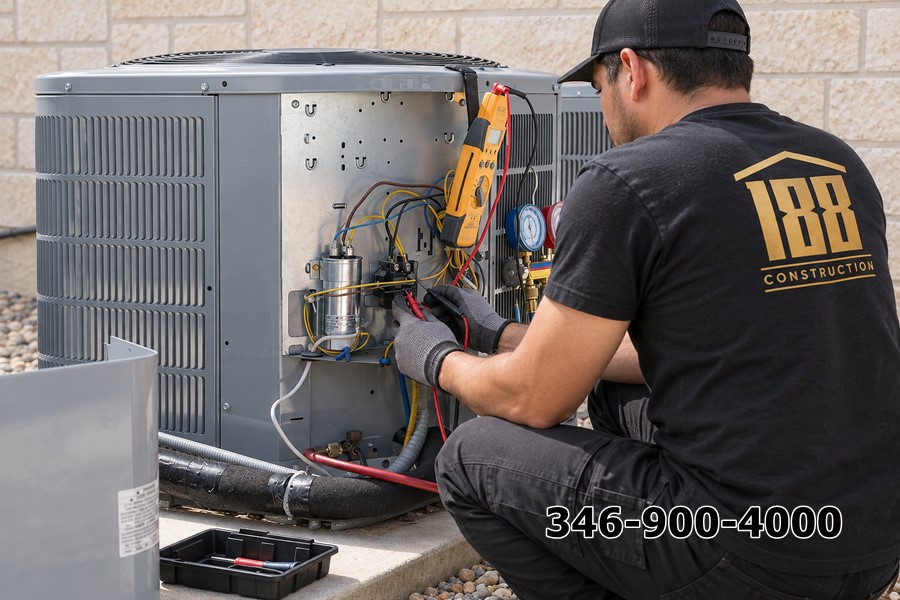
This guide covers what usually goes wrong with air conditioners across the Houston area, how to spot trouble early, and what a thorough AC repair in Houston should include.
Mr. Nguyen: 346-900-4000
Why Houston Is Hard on Air Conditioners
Houston has a humid subtropical climate, so the cooling season is long. Many homes run their systems from April well into October, with little rest in between. Humidity adds another layer of work. Your AC doesn’t only lower the temperature. It also pulls moisture out of the air, which keeps the evaporator coil and the condensate drain line busy all summer.
Other local factors add up too. Pollen and construction dust clog filters and coils. Coastal air can speed up corrosion on outdoor components. Storm season brings power surges that can damage compressors, capacitors and control boards. A system that would last comfortably in a milder city can wear out much sooner here.
Six Warning Signs Your AC Needs Repair
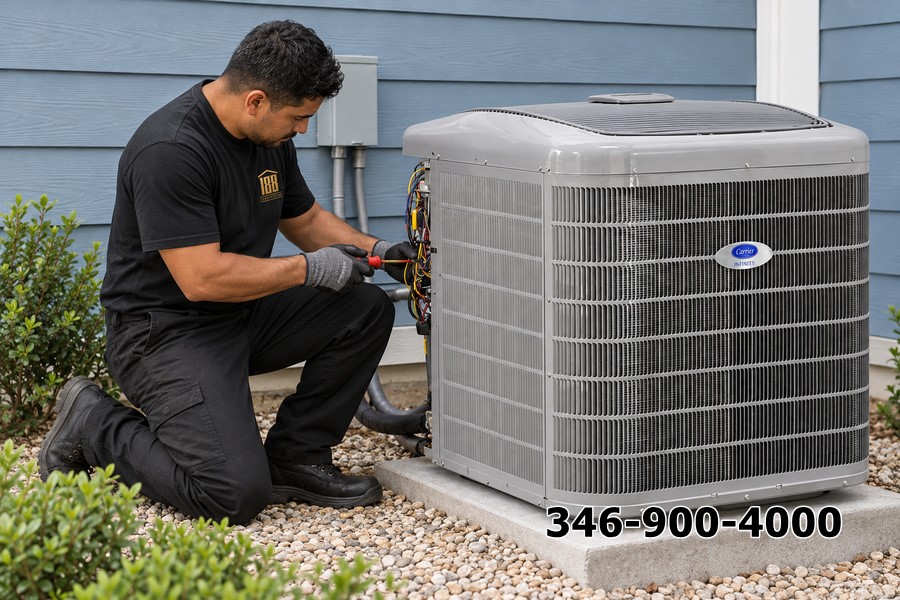
Small symptoms usually show up before a full breakdown. Watch for these:
- Warm air from the vents. If the system is running but the air isn’t cool, something is wrong with the refrigerant, compressor or outdoor unit.
- Weak airflow. Rooms that suddenly feel stuffy may point to a failing blower motor, a blocked filter or a duct problem.
- Long run times. If the AC runs all afternoon and the house still won’t reach the thermostat setting, the system is losing capacity.
- Unusual noises. Grinding, squealing, buzzing or repeated clicking should never be ignored.
- Water or ice. Puddles near the indoor unit often mean a clogged drain line. Ice on the refrigerant line suggests airflow or refrigerant trouble.
- Musty smells or a jump in your electric bill. Both can mean the system is struggling or growing moisture where it shouldn’t.
If you notice any of these, turn the system off and call a technician instead of running it through the problem. Continued use can turn a small repair into a large one.
Mr. Nguyen: 346-900-4000
The Usual Suspects Behind a Struggling System
Most service calls trace back to a handful of causes.
A dirty air filter restricts airflow and forces the system to work harder. It is the easiest problem to prevent and one of the most common.
A failed capacitor is a small part that helps the compressor and fan motors start. When it weakens, the outdoor unit may hum without starting, or shut off unexpectedly.
A clogged condensate drain is especially common in humid climates. Algae and debris build up and the water backs up, sometimes triggering a safety switch that shuts the system down.
A refrigerant leak shows up as poor cooling and sometimes ice on the coil. Adding refrigerant without finding the leak only delays the next failure, so the leak itself needs to be located and repaired.
A dirty condenser coil outside the house can’t release heat properly, which raises pressure and energy use.
Sometimes the cause is simply a thermostat, wiring or contactor issue. Those are often quick fixes once properly diagnosed.
What a Good AC Repair Visit Looks Like
A trustworthy visit starts with listening. A technician should ask when the problem began, what you’ve noticed and whether anything changed recently. Then comes testing: airflow, temperature drop across the coil, electrical readings, refrigerant pressures and the condition of the drain, filter and outdoor unit.
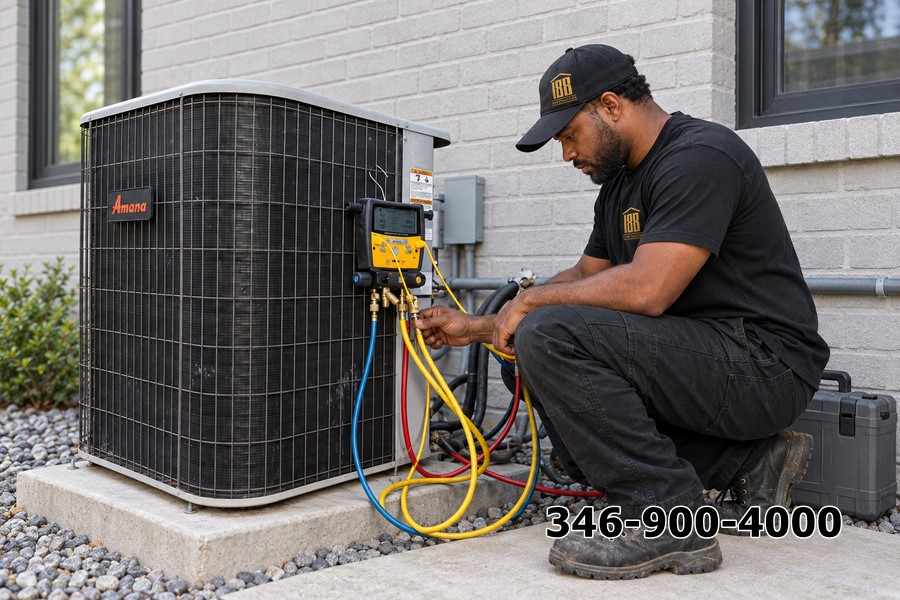
You should leave with a clear explanation in plain language: what failed, why, what the options are and what each costs. At 188 CONSTRUCTION, that approach comes from our team, which includes engineers with Master’s degrees, and from being licensed and insured, so you know the work is done properly and protected.
Mr. Nguyen: 346-900-4000
Repair or Replace? A Simple Way to Decide
Not every old system needs replacing, and not every repair is worth the money. A few questions help:
- How old is the system? Units past 10 to 15 years are closer to the end of their useful life.
- How often has it failed? Repeated breakdowns in one season are a warning sign.
- What refrigerant does it use? Older systems built around R-22, which has been phased out, can be costly to service.
- Is the repair a small part or a major component? A capacitor is a small expense. A compressor on an aging system may not be.
If replacement looks like the better path, or you want to look at ductwork, ventilation or whole-system upgrades, our HVAC Services page explains what else we can help with.
A Houston Maintenance Rhythm That Pays Off
A little routine care goes a long way in this climate:
- Early spring: Schedule a tune-up before the first serious heat arrives, when technicians are less rushed.
- Every one to three months: Check and replace the filter, more often if you have pets or allergies.
- Monthly in summer: Keep at least two feet of clear space around the outdoor unit and rinse off dust and grass clippings.
- After storms: Look for debris, standing water or unusual sounds before restarting the system.
- Early fall: Have the drain line flushed and the system checked before heavy-use season ends.
These habits protect efficiency, lower your energy bills and make surprise breakdowns less likely.
Stay Cool Without the Guesswork
Nobody should have to sweat through a Houston summer waiting on a repair. If your AC is struggling, 188 CONSTRUCTION is ready to find the cause, explain it clearly and get your home comfortable again. Reach out to Mr. Nguyễn at 346 900 4000 and tell him what you’re experiencing, and we’ll take it from there.