Houston roofs lead a hard life. They bake under months of summer sun, soak through soggy spring downpours and brace for wind every hurricane season. Homeowners who plan to stay put often start asking whether a roof can be built to outlast all of it.
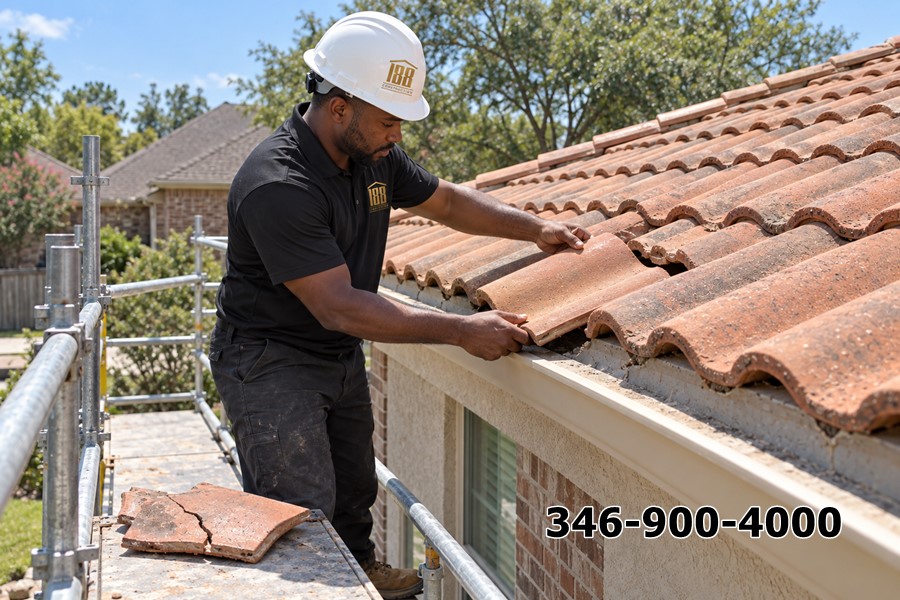 Tile has protected homes in hot, wet climates for centuries, and it remains a strong option here. This guide explains why tile roofing in Houston works, how the main materials compare, what really goes into a good installation and how to care for the roof once it’s on.
Mr. Nguyen: 346-900-4000
Why Tile Makes Sense in Houston
Tile earns its reputation on several fronts that matter locally.
Heat management. Tiles are installed with a small air gap above the roof deck. That space lets heat escape instead of pressing straight into your attic, which can take some strain off your cooling system through the long Texas summer.
Longevity. With proper installation and upkeep, tile can last several decades, often 50 years or more. Many asphalt roofs need replacing far sooner.
Resistance to the usual damage. Tile doesn’t rot, isn’t a target for insects and is non-combustible. In a humid city, that peace of mind counts.
Wind performance. When tiles are fastened correctly for local conditions, a tile roof can stand up well to strong winds. Fastening is the key, and we’ll come back to it.
Tile isn’t perfect. Large hail or a heavy falling branch can crack individual tiles, and the material is heavy. Both points deserve honest attention before you commit.
Clay, Concrete or Something Lighter?

Not all tile is the same. Here is how the common options stack up:
| Material | Where it shines | Trade-offs to weigh |
|---|---|---|
| Clay tile | Classic look, rich natural color that holds up to sun | Higher cost, heavier, can chip under impact |
| Concrete tile | Wide range of profiles and colors, usually more budget-friendly than clay | Heavy, color can fade over time, surface may need cleaning in humid areas |
| Lightweight tile | Easier on the structure, good for homes that can’t carry heavier loads | Fewer style choices, quality varies by product |
The right pick depends on your home’s design, your budget and what your roof structure can safely support.
Mr. Nguyen: 346-900-4000
What’s Under the Tiles Matters More Than You Think
Tile itself sheds water, but the real waterproofing layer sits underneath it. The underlayment, flashing and roof deck do much of the quiet work that keeps your home dry.
Underlayment usually wears out before the tile does. That means a well-planned project either uses a high-quality underlayment built to last, or plans for lifting and re-laying the tiles when it’s time to renew it.
Weight is the other big factor. A tile roof is considerably heavier than asphalt shingles, so the framing and decking need to be evaluated before any material is ordered. Flashing around chimneys, valleys, vents and walls should also be detailed carefully, because those joints are where most leaks begin.
How a Tile Roofing Project Unfolds
A smooth project follows a clear sequence:
- Inspection and structural evaluation. Before quoting anything, we look at the roof deck, framing, ventilation and existing damage. This is where our team’s engineering background helps: 188 CONSTRUCTION includes engineers with Master’s degrees, and as a licensed and insured company, we plan the work with both technical rigor and proper protection for your property.
- Material selection and permits. You choose the tile style and color, while we handle code requirements and any permit or HOA considerations.
- Tear-off and dry-in. The old roofing comes off, the deck is repaired and the home is sealed against weather as quickly as possible.
- Underlayment and flashing. New waterproofing layers and metal flashing go in first, because everything above depends on them.
- Tile layout and fastening. Tiles are laid out for clean lines and secured according to wind-resistance requirements, not just stacked in place.
- Cleanup and walkthrough. We clear debris, check the details with you and explain how to look after the roof.
Mr. Nguyen: 346-900-4000

Caring for Tile in Houston’s Humidity
Tile is low-maintenance, not no-maintenance. A few habits keep it looking and performing well:
- Check after storms. Look for cracked, slipped or missing tiles from the ground, or ask a professional to inspect.
- Treat algae and moss gently. Humidity encourages growth on shaded slopes. Use appropriate cleaners and avoid aggressive pressure washing, which can wear the surface.
- Trim nearby branches. Overhanging limbs scratch tile and drop heavy debris in wind.
- Keep gutters and valleys clear. Standing water and leaf buildup invite problems.
- Stay off the roof. Tiles can crack under foot traffic. Leave repairs to someone with the right equipment.
Is a Tile Roof Right for Your Home?
Tile is a strong fit if you plan to stay in your home for many years, want long-term durability and appearance and have a structure that can carry the weight, or can be reinforced to do so.
If your home needs something lighter, or you’d like to compare other options before deciding, our Residential Roofing page covers the other roofing solutions we offer for Houston homeowners.
Build a Roof You Won’t Have to Think About Again
A tile roof is a long-term investment in your home’s comfort and value, and it should be planned with care. 188 CONSTRUCTION would be glad to inspect your home, talk through the materials that suit it best and give you a clear plan. Reach out to Mr. Nguyễn at 346 900 4000 to start the conversation.