Shopping Center Construction and Repairs in Houston: Build Value That Lasts
Think about the last shopping center you visited and remember why you stopped there. Maybe it was easy to park, the stores looked inviting, and everything felt clean and safe. Shoppers make these judgments in seconds, and tenants make similar ones when deciding whether to sign or renew a lease. In a competitive market like Houston, the physical condition of a retail property has a direct effect on how well it performs.
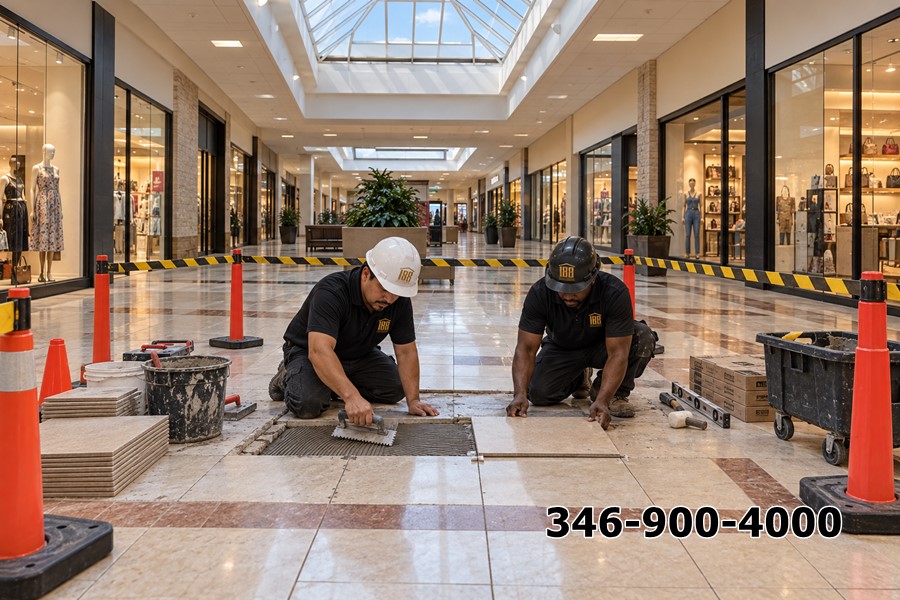

This guide looks at shopping center construction and repairs from an owner’s point of view: how construction choices affect long-term value, which repairs deserve priority, and how to prepare your property for Houston’s demanding climate.
Mr. Nguyen: 346-900-4000
Why Property Condition Drives Retail Performance
A shopping center is more than a collection of storefronts. It is a shared environment, and its condition influences several things at once:
- Foot traffic. Customers favor places that feel safe, tidy, and easy to navigate.
- Tenant retention. Businesses stay longer when leaks, lighting problems, and parking complaints are handled quickly.
- Lease rates. Well-kept properties can support stronger rental conversations.
- Insurance and liability. Prompt repairs of trip hazards, roof damage, and drainage problems reduce risk.
- Resale and refinancing. Lenders and buyers pay close attention to deferred maintenance.
In short, spending wisely on construction and repair is not simply an expense. It is a way to protect income.
Types of Shopping Center Construction Projects
Retail construction comes in several forms, and each one has its own planning needs.
New strip centers and plazas. These ground-up projects require site planning, utilities, parking design, drainage, and flexible tenant spaces.
Pad sites. Standalone buildings at the edge of a center, often used for restaurants, banks, and drive-through businesses, need careful traffic design and utility coordination.
Building additions and expansions. Adding units to an existing center calls for coordination with current tenants, parking counts, and existing infrastructure.
Tenant improvements. When a new business moves in, the space often needs walls, finishes, plumbing, electrical work, and ventilation tailored to that business.
Façade renovations. A new exterior look can change how the entire property is perceived without rebuilding it.
Mr. Nguyen: 346-900-4000
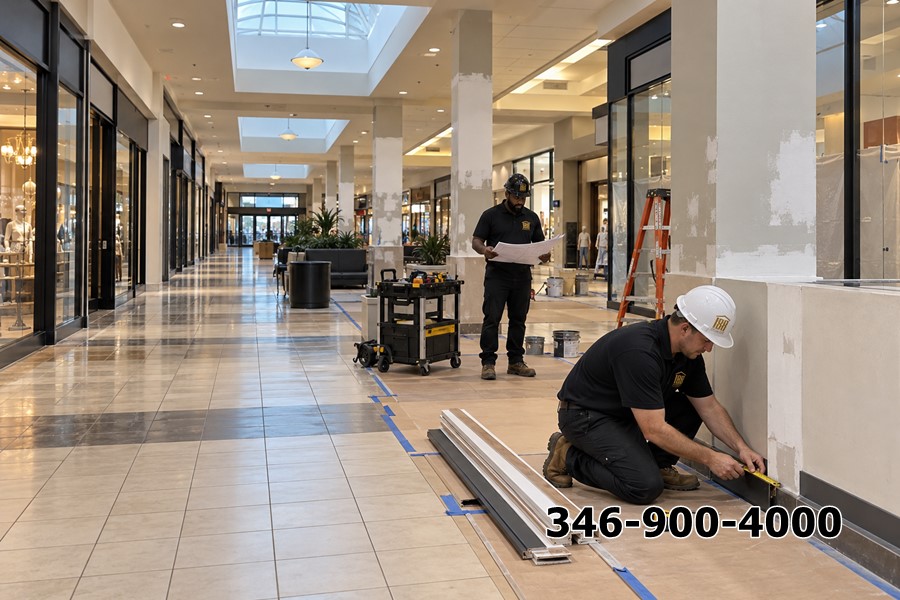
A Smarter Way to Prioritize Repairs
When several issues appear at once, deciding where to begin can feel overwhelming. A simple three-tier approach helps.
Tier 1: Urgent
These are problems that affect safety or can quickly cause damage:
- Active roof leaks
- Electrical hazards or failing exterior lighting
- Large potholes and trip hazards
- Structural cracks or loose building elements
- Blocked drainage that floods walkways or parking
Tier 2: Soon
These issues are not emergencies but will worsen if ignored:
- Deteriorating sealants and flashing
- Cracked stucco or masonry
- Worn parking lot surfaces
- Sagging gutters and downspouts
- Aging signage and damaged panels
Tier 3: Planned Improvements
These items improve appearance and competitiveness:
- Fresh paint and façade updates
- Landscaping upgrades
- New lighting fixtures
- Restriping and wayfinding signage
- Common area refreshes
Sorting repairs this way helps you budget realistically and communicate clearly with tenants and partners.
Preparing Your Center for Houston Weather
Houston properties face unique pressure from heat, humidity, rain, and storms. A proactive approach can save substantial money.
- Before storm season, inspect the roof, secure rooftop equipment, and clear gutters and drains.
- After heavy rain, check for ponding water, drainage failures, and moisture inside tenant spaces.
- During hot months, watch HVAC performance and look for sealants that have dried out or cracked.
- Throughout the year, monitor foundation movement, which can appear as cracks, sticking doors, or uneven floors.
Documenting these checks also helps if you ever need to support an insurance claim.
Mr. Nguyen: 346-900-4000
How Good Contractors Handle Occupied Properties
Working around active businesses takes planning and courtesy. Strong contractors usually:
- Walk the property with you and identify tenant sensitivities before starting
- Divide the project into phases that keep entrances and parking available
- Post clear signs and barriers to protect pedestrians
- Share written schedules and updates with property management
- Keep noise, dust, and debris under control
- Complete punch-list items promptly so the property is ready for customers
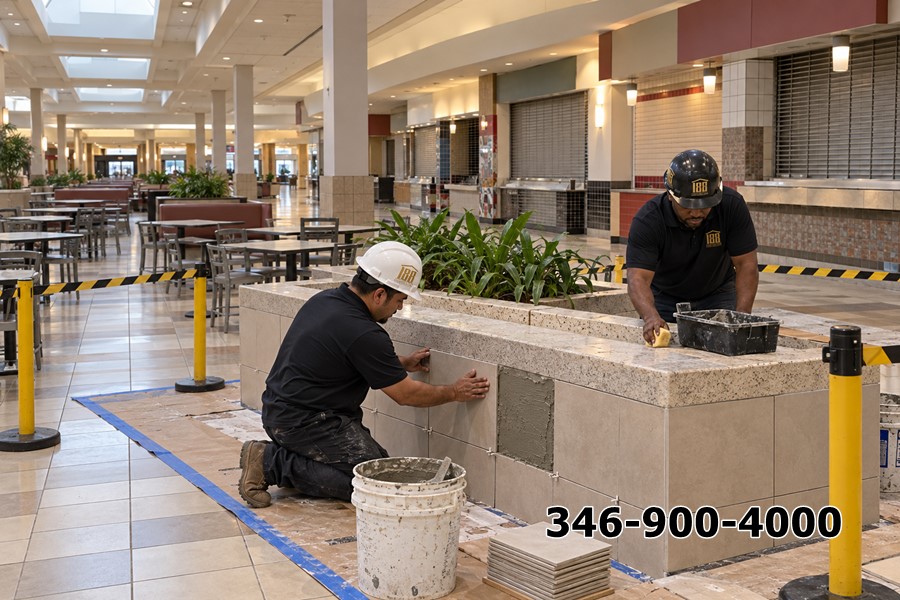
When tenants see professionalism on site, they tend to see it as a sign that management cares about their success.
What to Include in a Project Scope
A clear scope of work prevents misunderstandings. Whether you are repairing a roof or building a new plaza, make sure your agreement covers:
- Exact work items and materials
- Start date and expected completion
- Responsibilities for permits and inspections
- Work hours and tenant access requirements
- Payment schedule and change-order process
- Warranty terms
Written clarity protects both owner and contractor, and it keeps projects moving smoothly.
Mr. Nguyen: 346-900-4000
Meet the Team at 188 CONSTRUCTION
Retail properties demand technical knowledge and practical judgment. At 188 CONSTRUCTION, we are a licensed and insured contractor, and our engineers hold Master’s degrees, which helps us evaluate structure, drainage, and building performance with a careful eye. That background lets us explain why a repair is needed, what will happen if it is delayed, and how to get the best long-term result from your budget.
Our approach is simple:
- Listen to your goals and tenant concerns
- Inspect the property carefully
- Present options in plain language
- Provide transparent pricing
- Build or repair with quality materials and attention to safety
Property owners who want to understand how our retail work fits into our wider services can explore our overview of Commercial Construction.
Common Questions From Property Owners
How often should a shopping center be inspected?
At least once a year, with extra checks before storm season and after significant weather events.
Is it better to repair or renovate?
That depends on the age of the property, the extent of damage, and your business goals. A professional assessment will help you compare costs and benefits.
Can repairs be scheduled around holidays or busy seasons?
Yes. Careful scheduling can avoid peak shopping periods whenever possible.
Ready to Strengthen Your Property?
A shopping center that looks good, works well, and feels safe becomes a place where businesses want to be. If you are planning new construction or need dependable repairs, contact Mr. Nguyễn at 188 CONSTRUCTION. Reach out at 346 900 4000 to schedule a free walkthrough and discuss the best next step for your Houston retail property.